



Barbara Hepworth
Artist – Modernist Sculptor
1903 – 1975, Wakefield, West Yorkshire, England
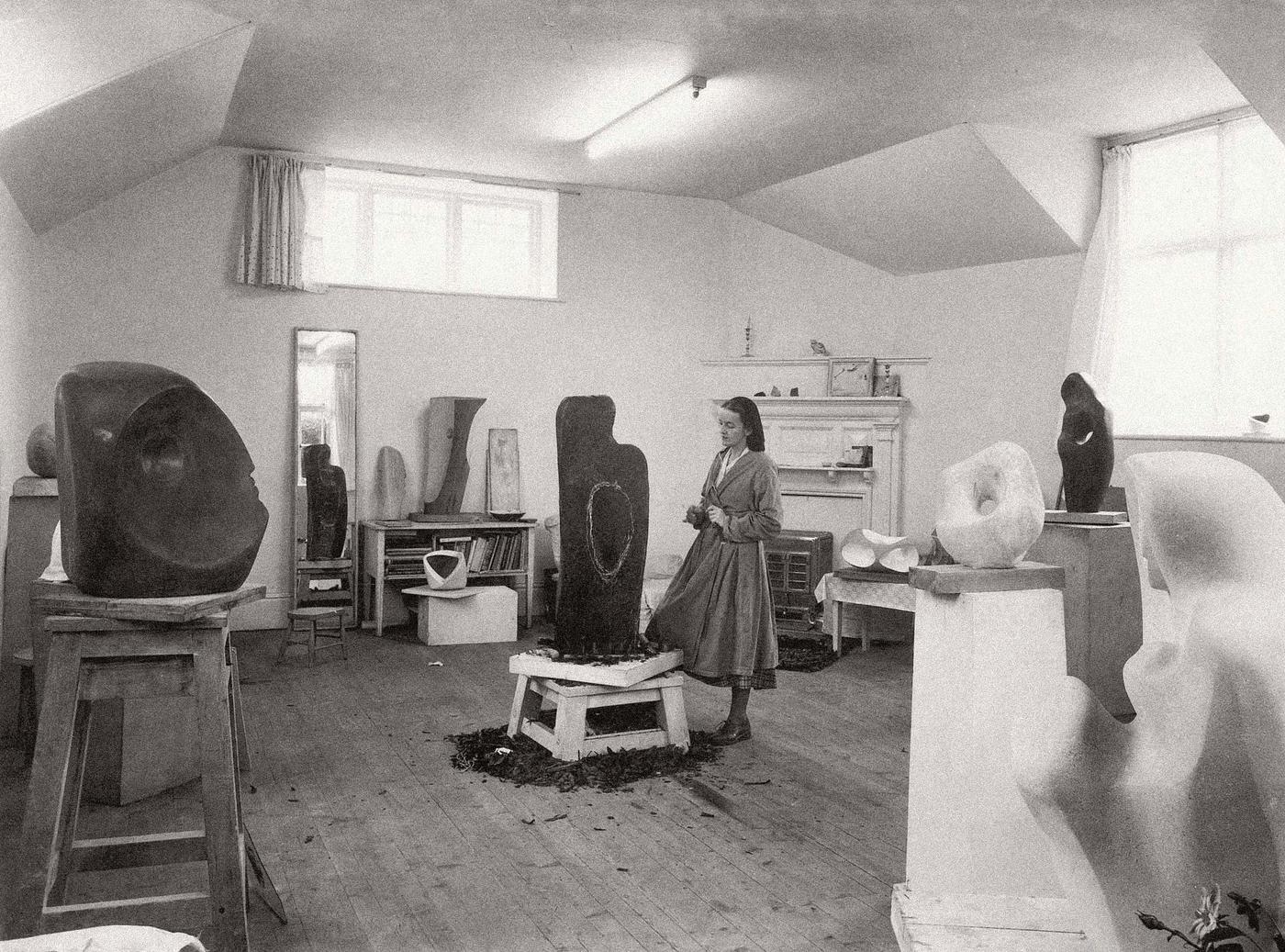
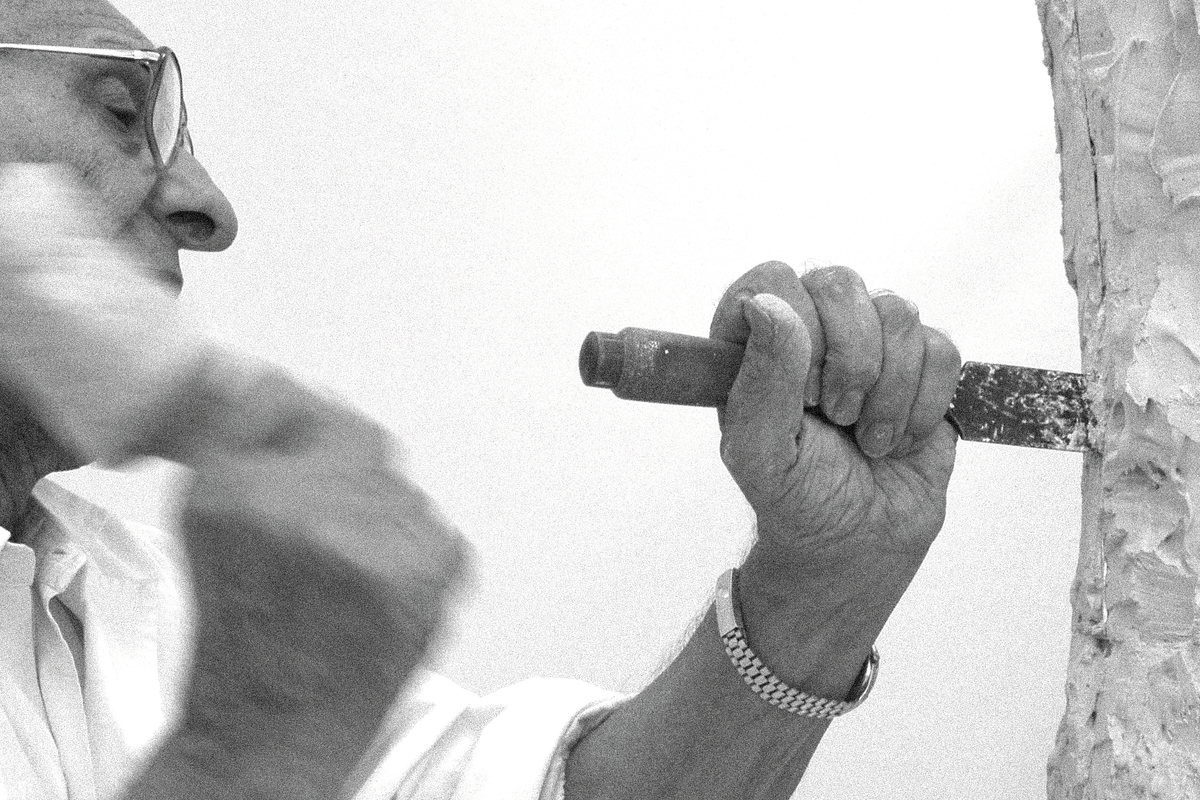
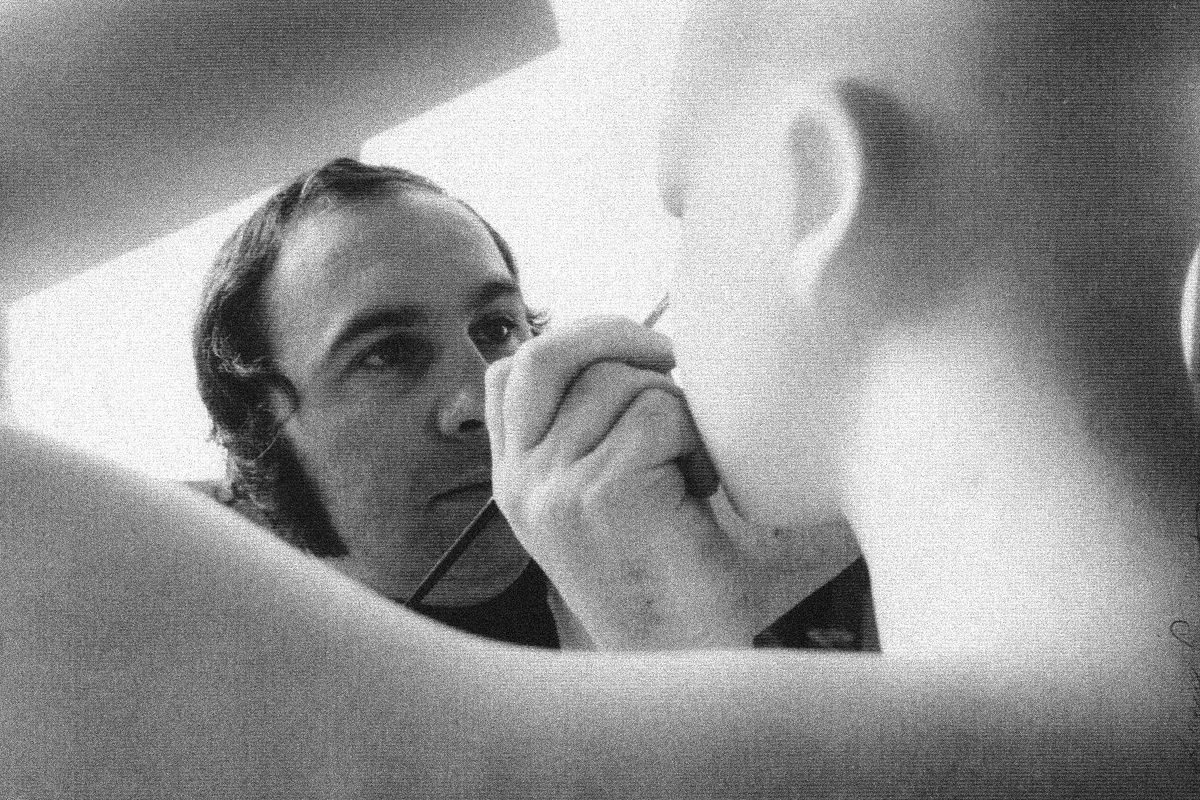
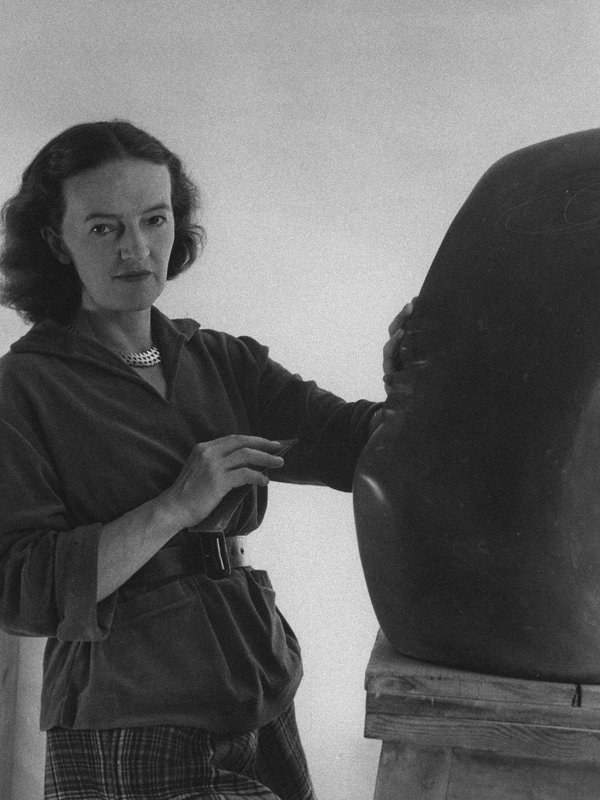
Dame Barbara Hepworth in her Trewyn Studio, St Ives, Cornwall, October 1949, Copyright Barbara Hepworth © Bowness
Barbara Hepworth (1903–1975) grew up in Wakefield, Yorkshire, where the landscape left a lasting mark on her artistic vision. She later recalled that the textures, valleys and shapes of the West Riding countryside felt “in my body” rather than seen. Her close connection to the land continued to influence her work throughout her life.
At 17, Hepworth won a scholarship to Leeds School of Art, where she studied from 1920 to 1921. There, she met Henry Moore, who remained a lifelong peer, and developed her skills in drawing and three-dimensional modelling. From 1921 to 1924, she studied sculpture at the Royal College of Art in London, supported by a Senior Art Scholarship. While there, she began to move away from the traditional practice of modelling in clay before casting in plaster. Instead, she embraced direct carving, working directly into stone and wood.
After graduating, Hepworth received a travelling scholarship to Italy as runner-up for the Prix de Rome. In Florence and Siena, she studied classical Italian masonry and learned to carve marble from the master sculptor Giovanni Ardini. The experience strengthened her commitment to “truth to materials”, an approach that honoured the character of the stone or wood itself.
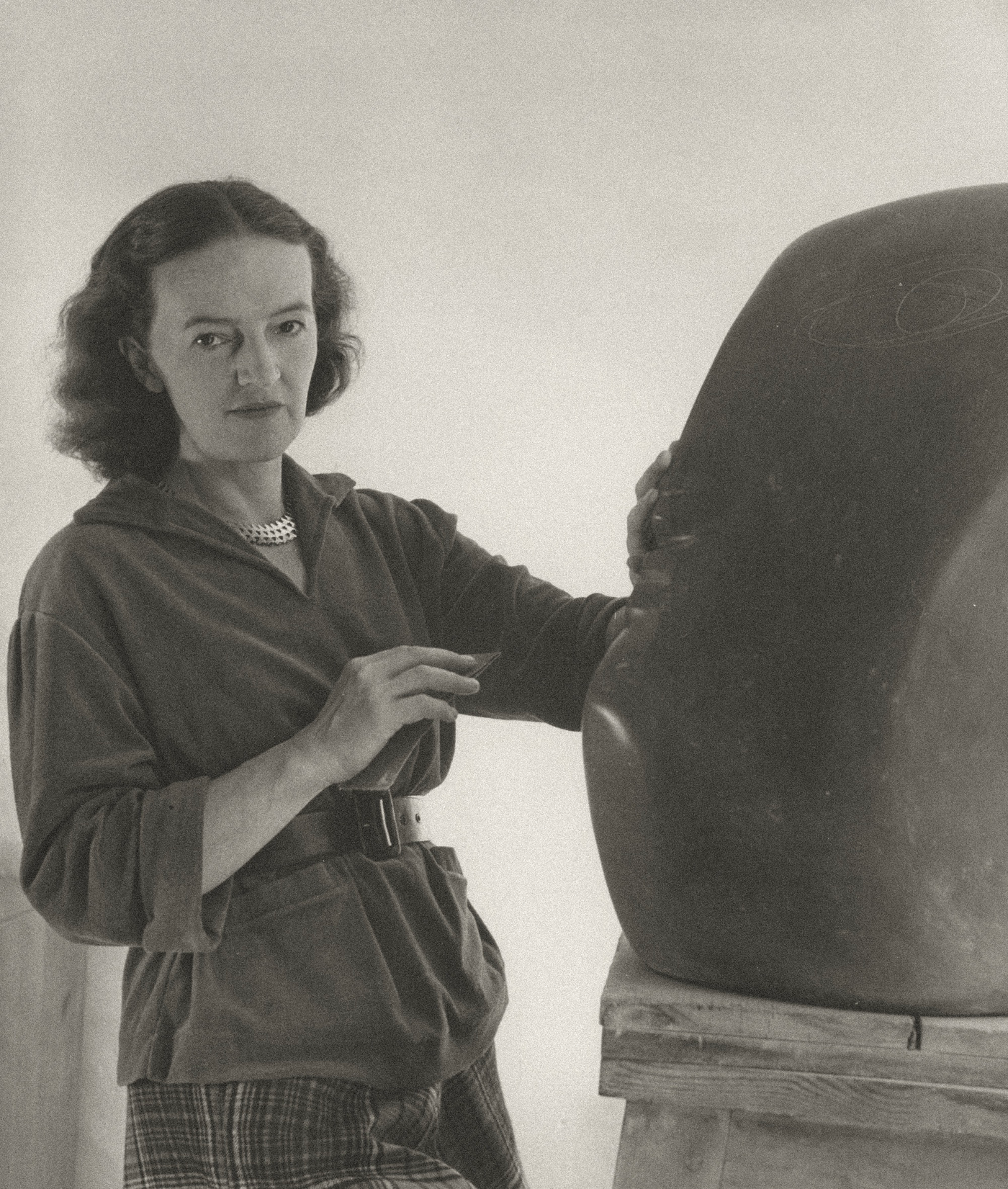
Dame Barbara Hepworth with ‘The Cosdon Head’, 1949
Copyright Barbara Hepworth © Bowness
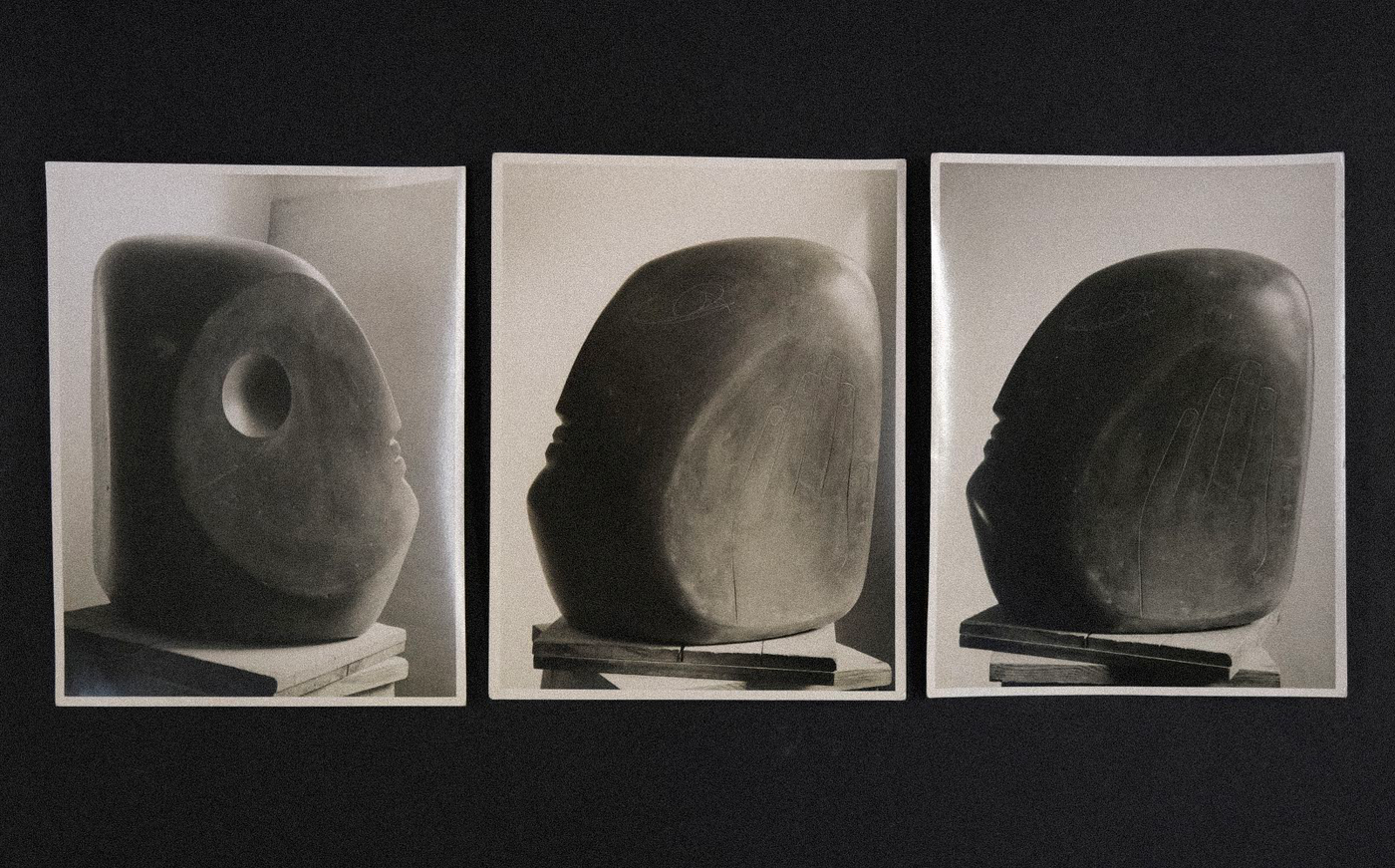
A defining work from Hepworth’s later career is ‘The Cosdon Head’, carved in 1949, around the time she established her long-term workspace at Trewyn Studio in St Ives. The sculpture, about 63.5 centimetres tall, is made from Irish blue marble. Hepworth polished the stone to a sheen that catches the light across its naturally varied surface. Rather than presenting a conventional portrait, ‘The Cosdon Head’ brings together two contrasting profiles. One is smooth, full and rounded; the other is flatter and carved away, with a hollowed eye and delicate lines suggesting facial features. The work also uses one of Hepworth’s signature motifs: the pierced hole. By opening the solid marble to light and space, she makes the void as important as the stone surrounding it.
The sculpture helped strengthen Hepworth’s international reputation when it was shown at New York’s Museum of Modern Art in the landmark 1953 exhibition Sculpture of the Twentieth Century. It is now part of the Birmingham Museum and Art Gallery’s collection.
‘The Cosdon Head’, 1949, Copyright Barbara Hepworth © Bowness
“The sawn cube from which I carved the Cosdon Head in 1949 proved to be a singularly intractable metamorphic rock; the very nature of my tussle with it gave the whole carving the quality of a giant pebble worn by centuries of waves beating on it.”
DAME BARBARA HEPWORTH
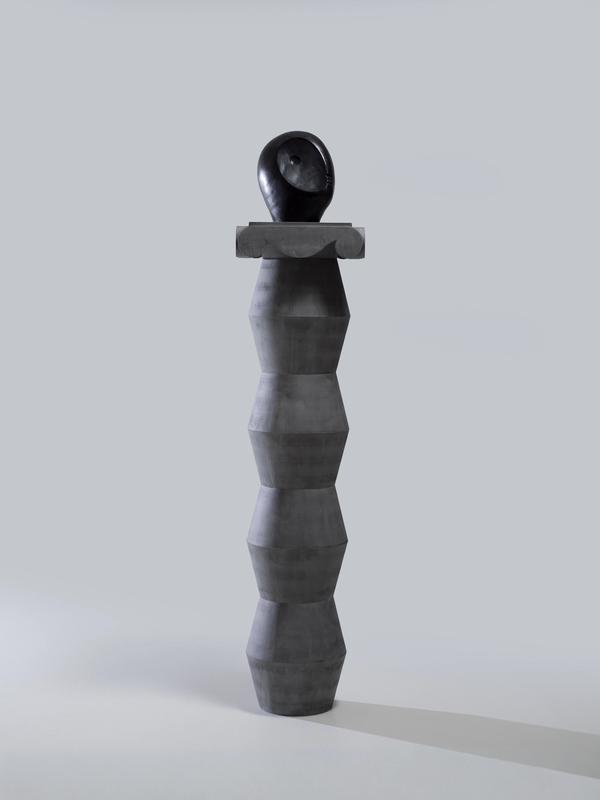
The inspiration for ‘Homage to Barbara’ began during lockdown, when Artistic Director Emma Davidge spent time exploring London’s Battersea Park. A sculpture on the southern side of the boating lake, ‘Hepworth’s Single Form (Memorial) 1961–1962’, dedicated to former UN Secretary-General Dag Hammarskjöld, prompted Davidge to explore more of Hepworth’s work.
Among the works she discovered was ‘The Cosdon Head’. Although she had never seen it before, it felt familiar. Its scale also came as a surprise: Davidge had imagined it closer to the size of a human head. Unable to work during that period, she carefully archived images and research, intending to return to them later. When she began curating ‘The 10 Collection’, she revisited that research alongside the Schläppi 2500 heads in the archives. The similarities were striking; it felt as if Hepworth’s work had influenced the Schläppi sculptors during that design period. This was her interpretation, and it became the starting point for a new piece.
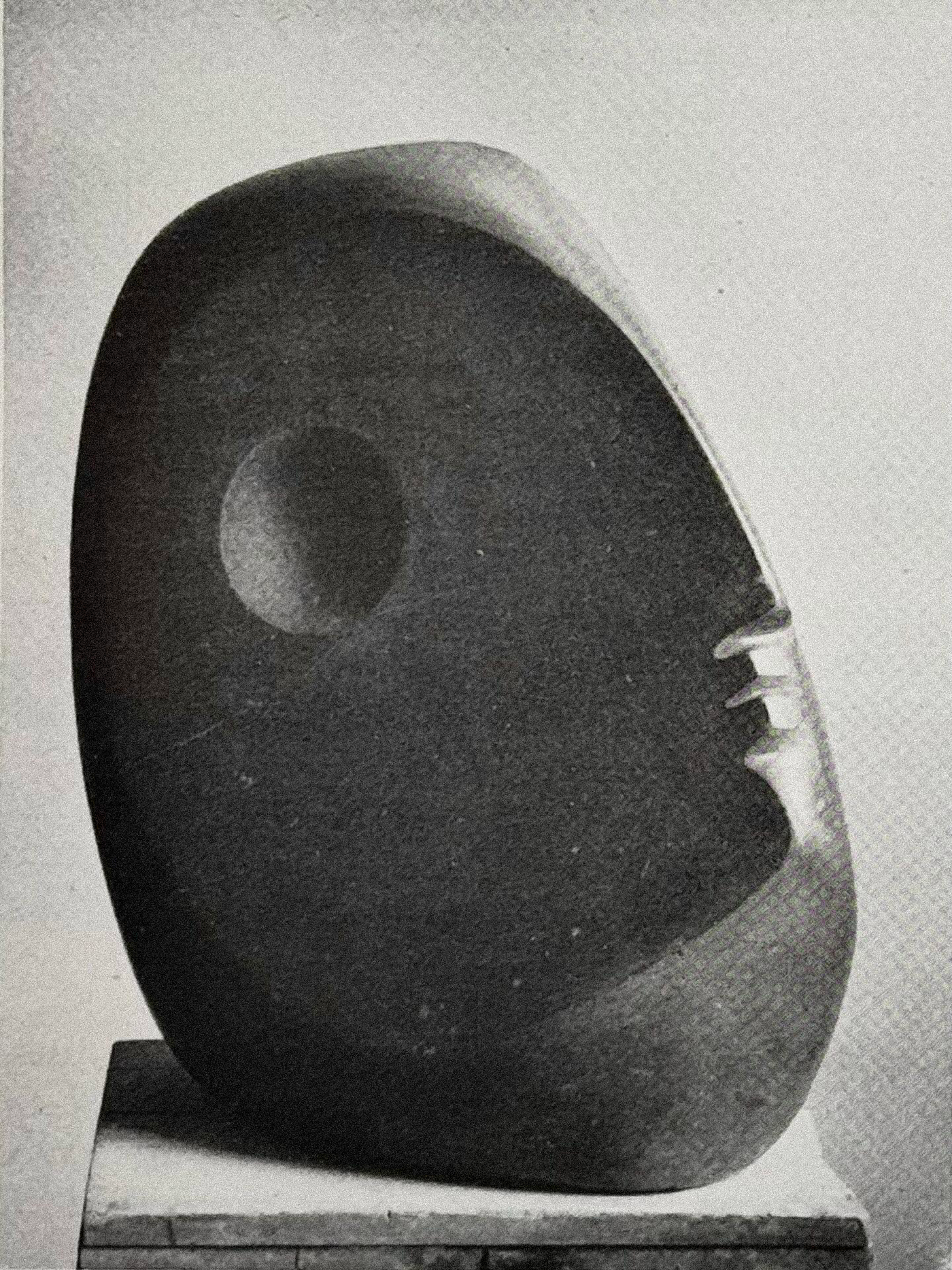
‘The Cosdon Head’, 1949
Copyright Barbara Hepworth © Bowness
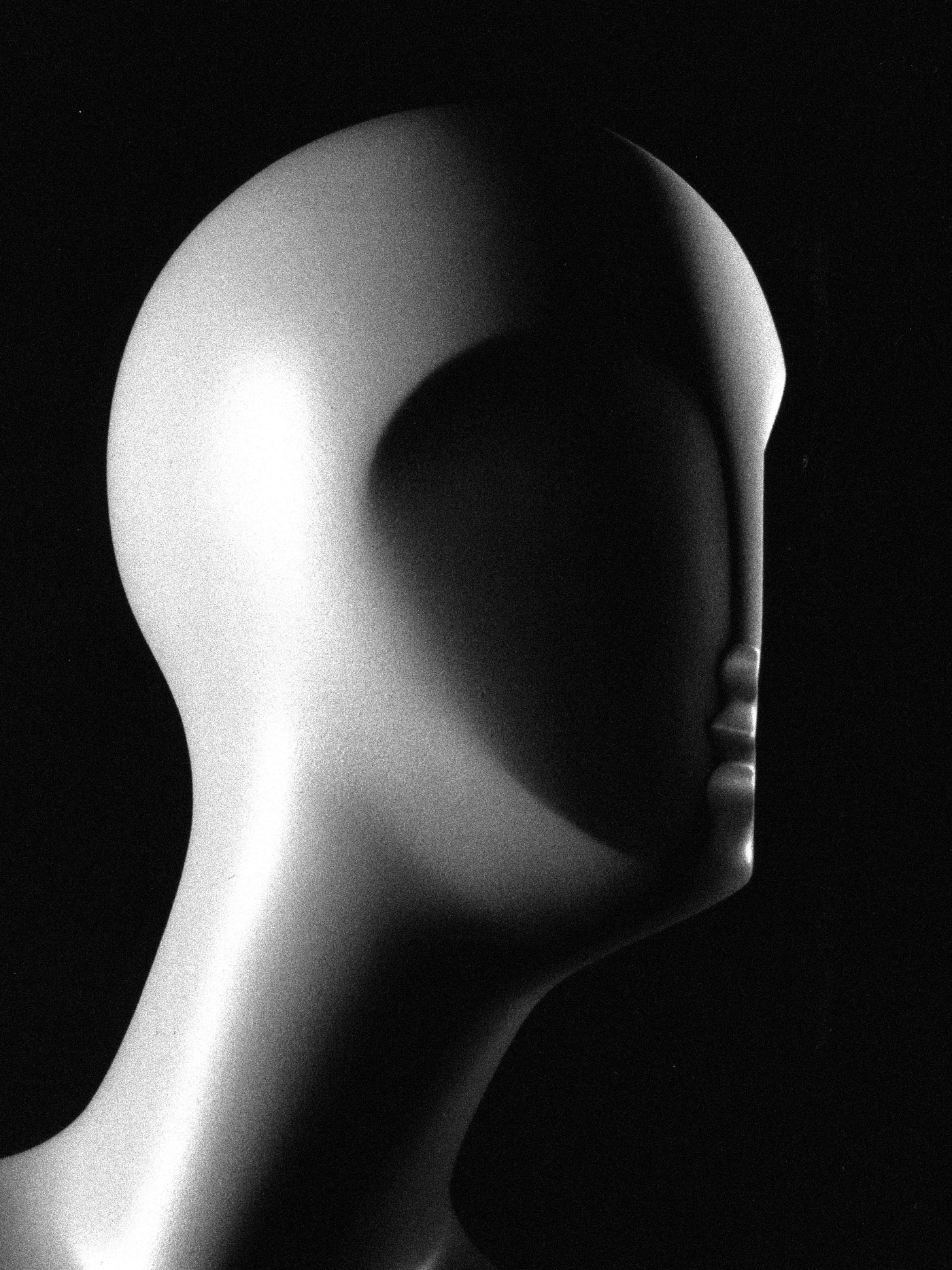
An archival Schläppi 2500 head
Sculpted in 1987
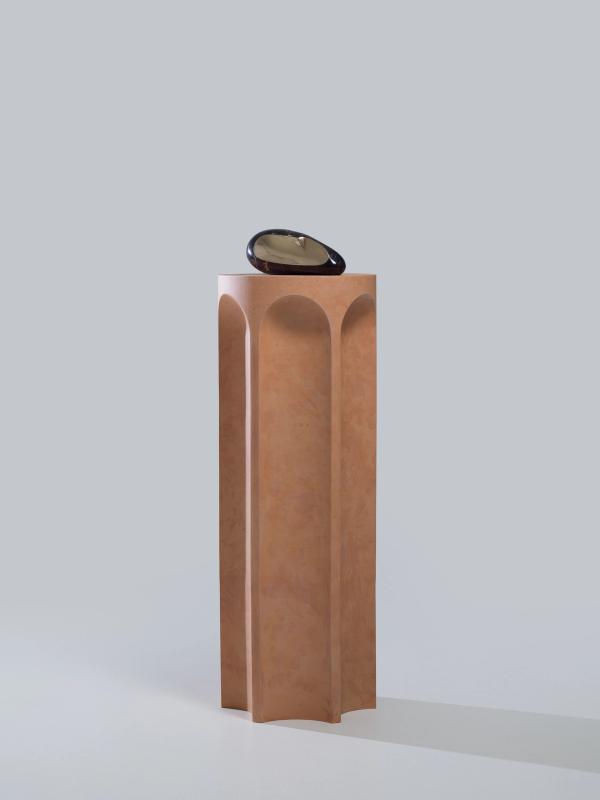
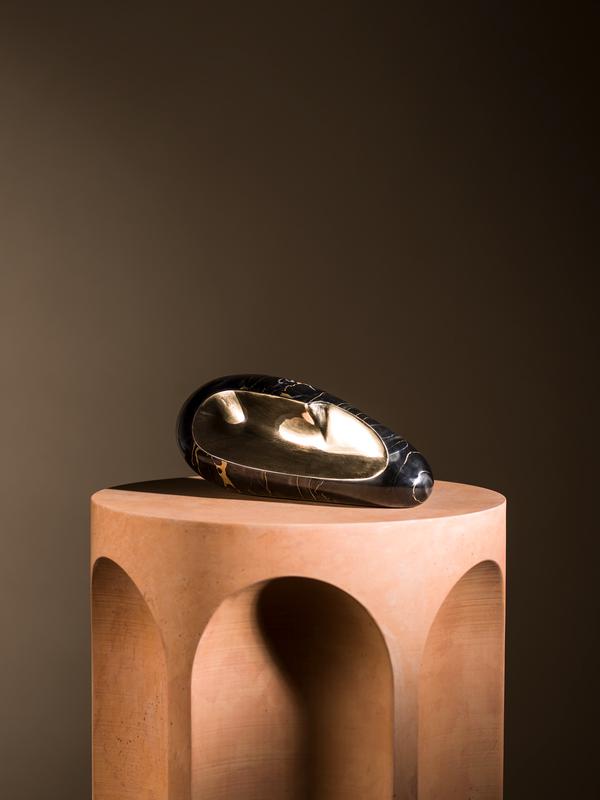
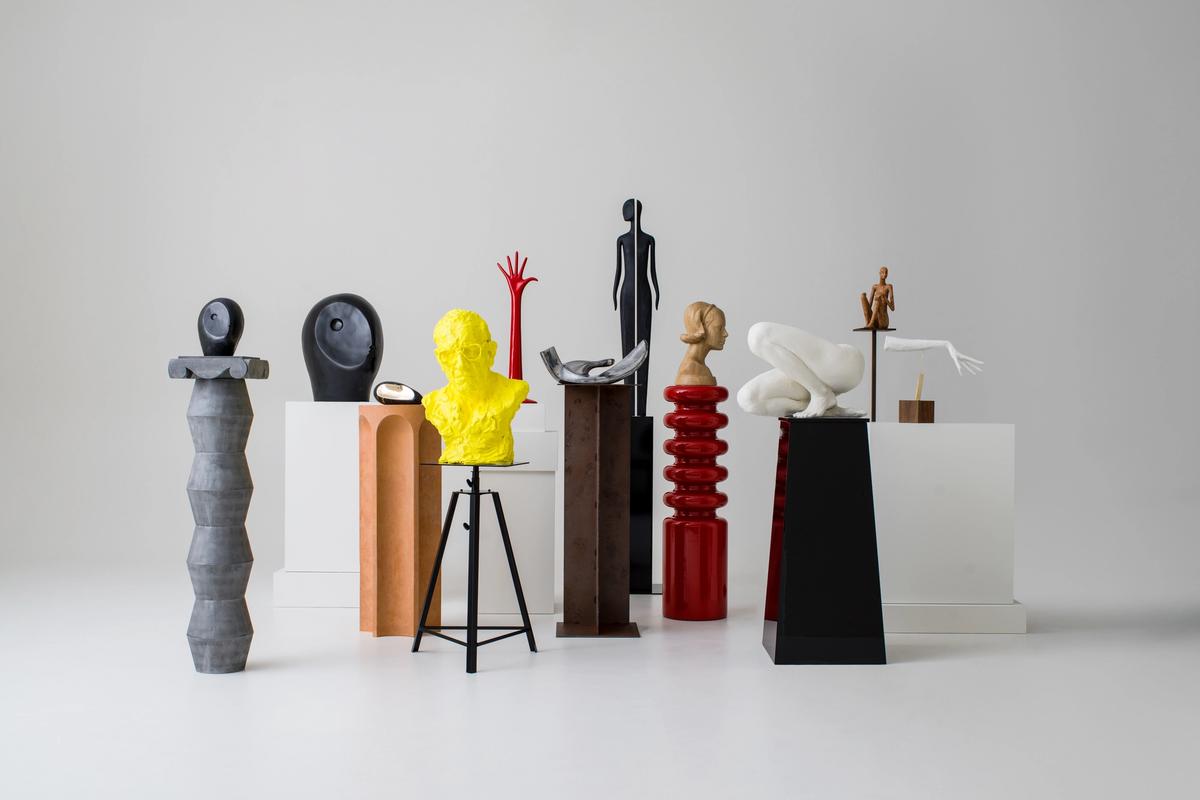
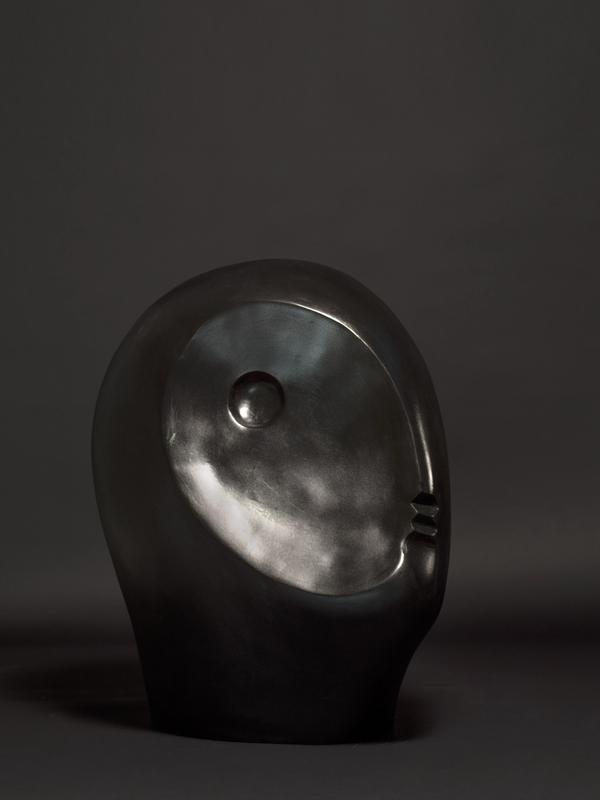
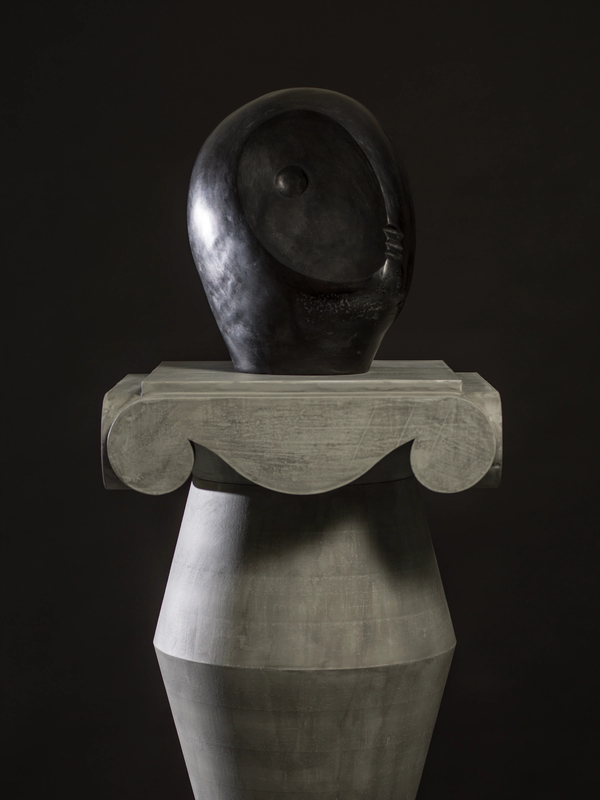
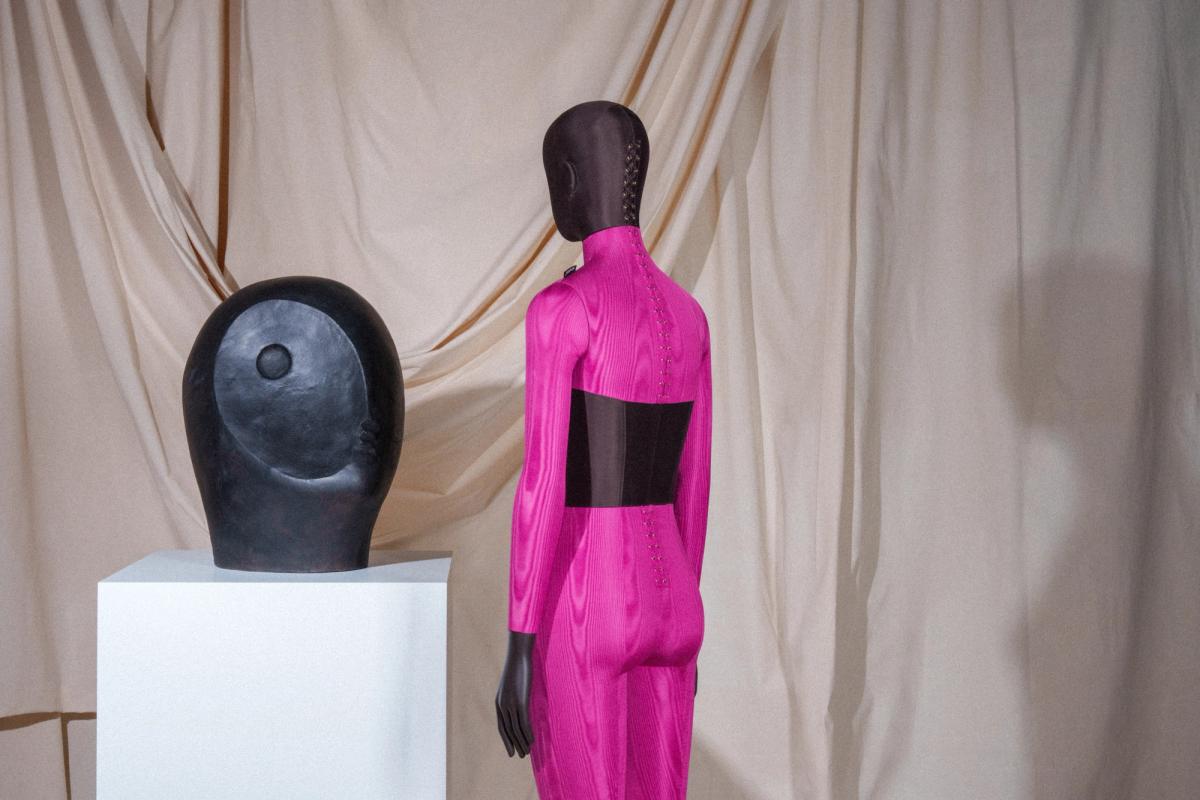
Together with Italian artist Marco Furlani, Davidge began recreating the archived Schläppi 2500 head in the sculpting atelier, incorporating Hepworth’s signature hollowed eye. Following the shape and scale of Hepworth’s original sculpture, they finished the piece in black terracotta with a beeswax finish. Davidge named it ‘Homage to Barbara’.
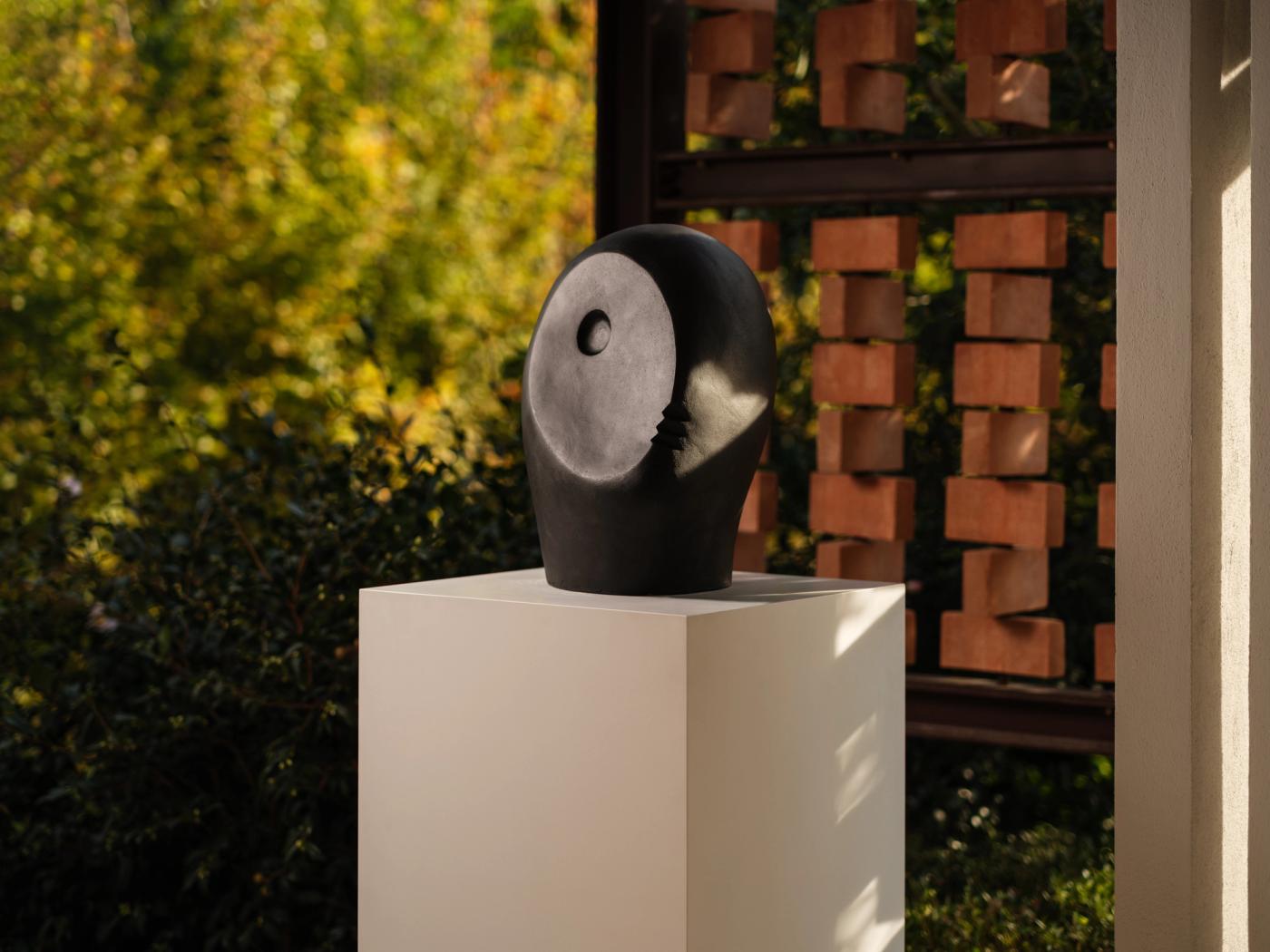
Object No. 10: Homage To Barbara, ‘The 10 Collection’ 2026